The Dollar Reset: Lessons from History and the Next Financial Shift
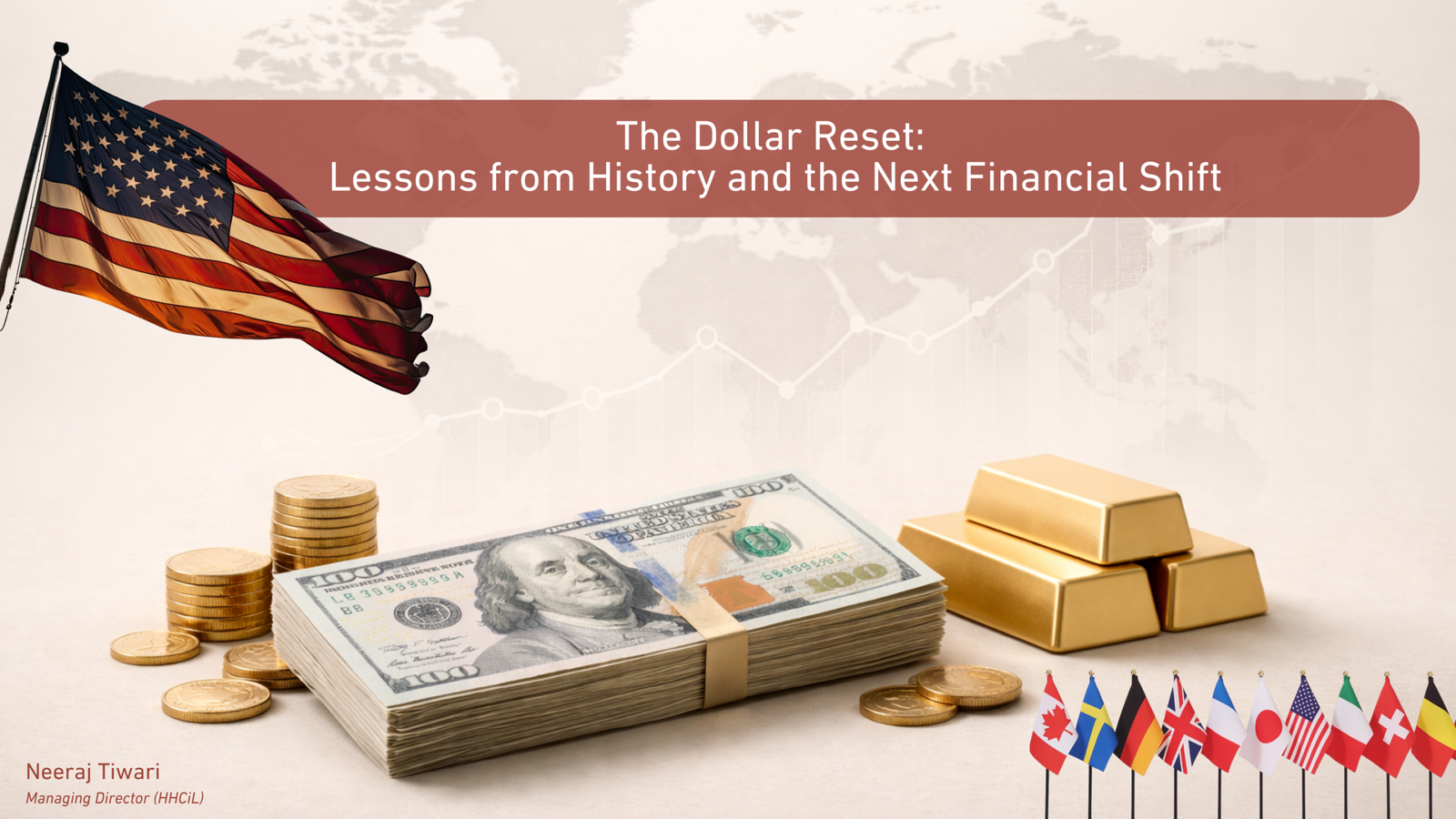
As an author and observer of global economics, I want to explain a pattern that deserves serious attention.
A global financial reset is being discussed more openly today. If such a reset happens, the American economy may once again protect itself, while the rest of the world absorbs the shock. History gives us important clues.
In 1934, the US President signed an executive order that fixed the price of gold at 35 dollars per ounce. Just before this decision, gold was trading at around 20 dollars per ounce. With a single signature, the value of gold rose sharply.
Governments and individuals who held gold saw their wealth increase overnight by nearly seventy five percent. At the same time, countries holding paper dollars experienced a significant decline in the real value of their assets. In effect, dollar holders paid the price.
For the United States, this move had a clear advantage. If America owed 100 dollars, the real burden of that debt reduced dramatically after the revaluation of gold. This was the first strategic reset.
The second major move came around World War Two. Much of the world was economically devastated. The US supplied dollars across Europe and Japan to support rebuilding. Over time, dollars spread across the global system.
However, the US did not have enough gold reserves to back all those dollars. When this imbalance became clear, trust in the dollar began to weaken. At that moment, the US made a decisive announcement. Dollars would no longer be converted into gold. This effectively ended the gold standard. The rules were changed unilaterally.
The third major shift came with the creation of the petrodollar system. Through agreements with oil producing countries, crude oil was priced and traded only in US dollars. Since oil is essential for every economy, demand for dollars became permanent. This is how the dollar secured its position as the global reserve currency.
Now we may be approaching another turning point.
Recent statements by senior Russian economic advisors suggest that the US could move its massive debt, estimated at around 37 trillion dollars, into a digital financial framework. Stablecoins could play a key role in this transition.
Stablecoins are presented as digital assets backed one to one by the US dollar. As cryptocurrency adoption grows, people and institutions may increasingly hold value in these instruments, believing them to be stable and safe.
However, control over the system remains centralized. If the valuation mechanism changes in the future, even slightly, the real value of liabilities could shrink dramatically. In such a scenario, the country carrying the debt would benefit, while holders of dollars or dollar-linked digital assets would bear the cost.
This is not a prediction. It is an observation based on historical patterns.
Financial systems are not just about numbers. They are about power, trust, and control. When the rules change, those closest to the rulebook protect themselves first.
The lesson for the rest of the world is simple. Understand the system. Watch the signals. And never assume that stability is permanent.

Dr. Neeraj Tiwari, PhD
I write about business leadership, workplace culture, and professional self-improvement-ideas that help individuals grow with clarity, lead with confidence, and build meaningful, successful careers.