Who Controls Chips, Controls the World: The Taiwan Reality
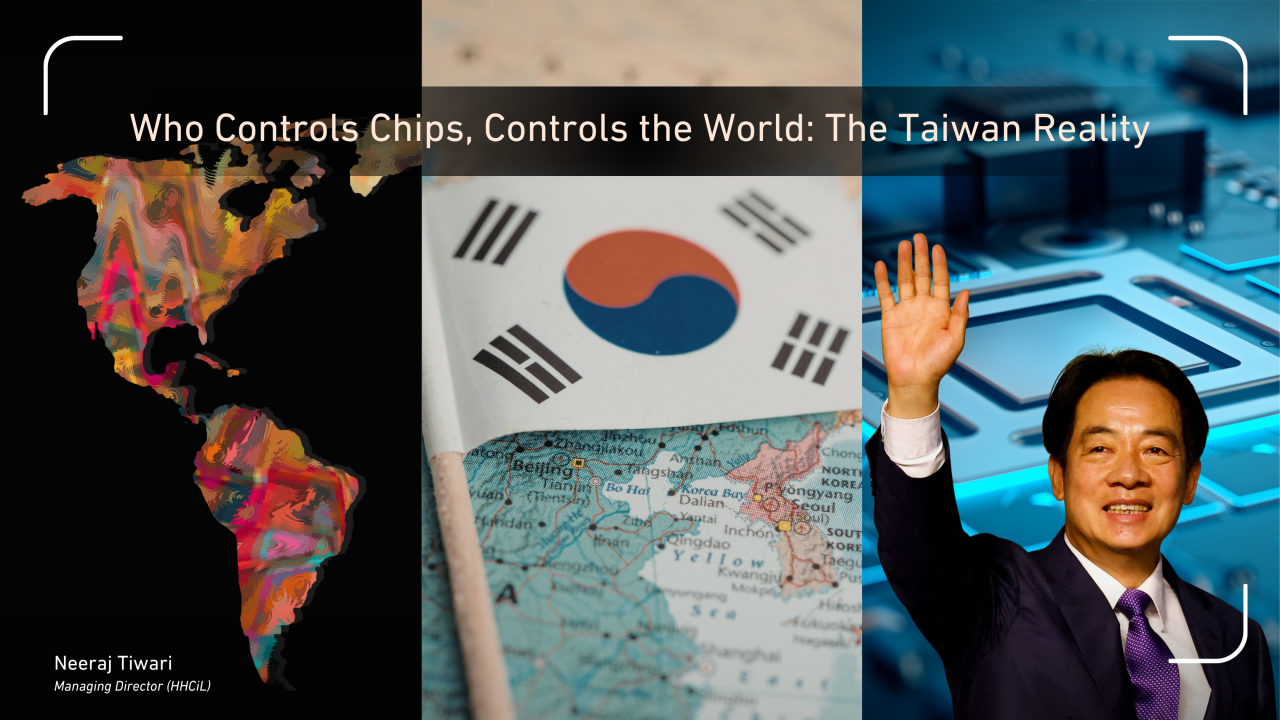
In the past few days, tensions around Taiwan have escalated.
China has reportedly deployed fighter jets and warships around the island. For many, this may seem like just another geopolitical headline.
It’s not.
This is not about land.
This is about control over the most critical resource of the 21st century: semiconductors.
Why Taiwan Matters More Than You Think?
Taiwan is home to TSMC the company that manufactures nearly 92% of the world’s most advanced semiconductor chips.
Think about that for a moment.
Every modern system you rely on—
• Smartphones
• Laptops
• Electric vehicles
• AI platforms
all depend on chips manufactured in one place.
Global giants like Apple, NVIDIA, AMD, Qualcomm, and Broadcom design the future, but rely heavily on Taiwan to produce it.
Even Jensen Huang emphasized:
“You cannot overstate the magic of TSMC.”
The Fragile Global Balance
At the same time, the global order is under pressure:
• NATO is facing internal divisions
• United Nations appears increasingly ineffective in conflict resolution
• The ongoing Russia-Ukraine War continues to drain global focus
This creates a strategic window.
And in geopolitics, timing is everything.
🧠War is Changing: From Weapons to Supply Chains
Traditional wars were about territory.
Modern conflicts are about control of critical infrastructure:
• Energy routes
• Data networks
• Technology supply chains
Taiwan sits at the center of all three especially semiconductors.
If Taiwan’s chip production is disrupted:
• Global tech production slows down
• Automotive and electronics industries stall
• AI innovation faces immediate bottlenecks
• Financial markets react sharply
This is not speculation.
This is systemic risk.
The Real Strategy: Control Without Conflict?
There is another possibility.
Instead of direct invasion, influence may become the primary tool:
• Political alignment
• Economic pressure
• Strategic funding and lobbying
Control doesn’t always require conflict.
Sometimes, it requires patience and precision.
What This Means for Leaders, Investors, and Professionals
This is not just geopolitics.
This is a signal.
A signal that:
• The future will be shaped by technology dominance
• Supply chains are now strategic assets
• Dependency is the biggest vulnerability
As leaders and decision-makers, the question is:
Are we building systems that are resilient… or dependent?
Are we reacting to change… or anticipating it?
🔮 The Bigger Picture
We are entering a world where:
• Conflicts may not always look like wars
• Disruptions may feel “normal”
• Global stability will be more fragile than it appears
And most importantly
Power will shift toward those who control technology and data.
💡 Final Thought
History doesn’t just happen.
It rewards those who understand patterns early.
The Taiwan situation is not just a regional issue.
It is a preview of the next decade.
Engagement Close
What’s your view?
Do you think the future of global power will be decided by military strength… or technological control?

Dr. Neeraj Tiwari, PhD
I write about business leadership, workplace culture, and professional self-improvement-ideas that help individuals grow with clarity, lead with confidence, and build meaningful, successful careers.